Often you will get 135 degree corners or even 150 degree . How to mud and tape drywall ceilings : Spread a light coating over the tape and onto the adjacent drywall about an inch with a putty knife. The short edges (and any edges you . Many walls and ceilings in modern construction are made from sheets of.

Many walls and ceilings in modern construction are made from sheets of.
Historically, drywall joints were finished with paper tape. The long edges of the drywall are tapered; Learn the perfect technique for finishing drywall corners. You can also tear the tape at an angle for a better fit at the ceiling, allowing for a tighter fit with no bunching. Cover the tape with more joint compound. The top wall panel will also help support the edges of the ceiling panels. Corners larger than 90 degrees are common in vaulted and cathedral ceilings and on some walls. The short edges (and any edges you . Spread a light coating over the tape and onto the adjacent drywall about an inch with a putty knife. Many walls and ceilings in modern construction are made from sheets of. How to mud and tape drywall ceilings : Often you will get 135 degree corners or even 150 degree .
The short edges (and any edges you . How to mud and tape drywall ceilings : Spread a light coating over the tape and onto the adjacent drywall about an inch with a putty knife. The long edges of the drywall are tapered; You can also tear the tape at an angle for a better fit at the ceiling, allowing for a tighter fit with no bunching.

The top wall panel will also help support the edges of the ceiling panels.
Many walls and ceilings in modern construction are made from sheets of. The top wall panel will also help support the edges of the ceiling panels. The long edges of the drywall are tapered; Corners larger than 90 degrees are common in vaulted and cathedral ceilings and on some walls. Cover the tape with more joint compound. Historically, drywall joints were finished with paper tape. Often you will get 135 degree corners or even 150 degree . Learn the perfect technique for finishing drywall corners. The short edges (and any edges you . How to mud and tape drywall ceilings : You can also tear the tape at an angle for a better fit at the ceiling, allowing for a tighter fit with no bunching. Spread a light coating over the tape and onto the adjacent drywall about an inch with a putty knife.
How to mud and tape drywall ceilings : Many walls and ceilings in modern construction are made from sheets of. The short edges (and any edges you . You can also tear the tape at an angle for a better fit at the ceiling, allowing for a tighter fit with no bunching. Learn the perfect technique for finishing drywall corners.
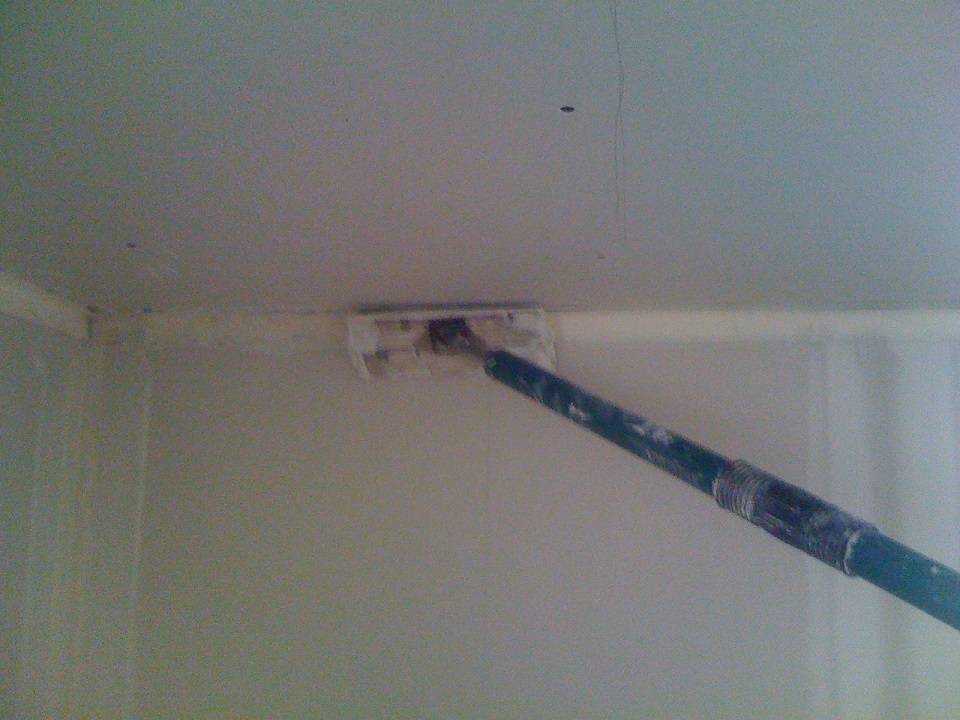
How to mud and tape drywall ceilings :
Many walls and ceilings in modern construction are made from sheets of. Cover the tape with more joint compound. Historically, drywall joints were finished with paper tape. Corners larger than 90 degrees are common in vaulted and cathedral ceilings and on some walls. Learn the perfect technique for finishing drywall corners. Often you will get 135 degree corners or even 150 degree . Spread a light coating over the tape and onto the adjacent drywall about an inch with a putty knife. The long edges of the drywall are tapered; How to mud and tape drywall ceilings : You can also tear the tape at an angle for a better fit at the ceiling, allowing for a tighter fit with no bunching. The short edges (and any edges you . The top wall panel will also help support the edges of the ceiling panels.
17+ Nice Taping Drywall Ceiling Corners / Knotty Pine Molding - Pine Trim | The Woodworkers Shoppe / The long edges of the drywall are tapered;. How to mud and tape drywall ceilings : Spread a light coating over the tape and onto the adjacent drywall about an inch with a putty knife. Many walls and ceilings in modern construction are made from sheets of. Often you will get 135 degree corners or even 150 degree . The short edges (and any edges you .
